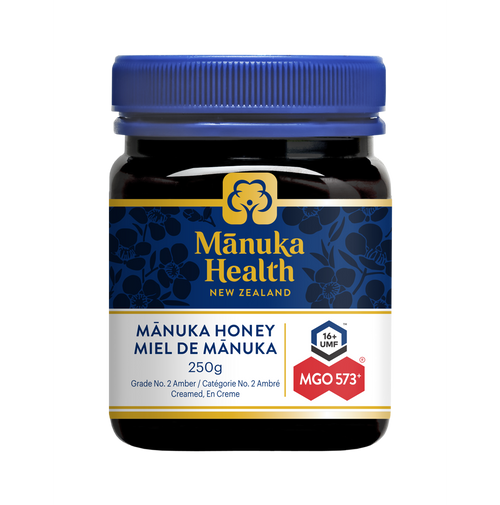
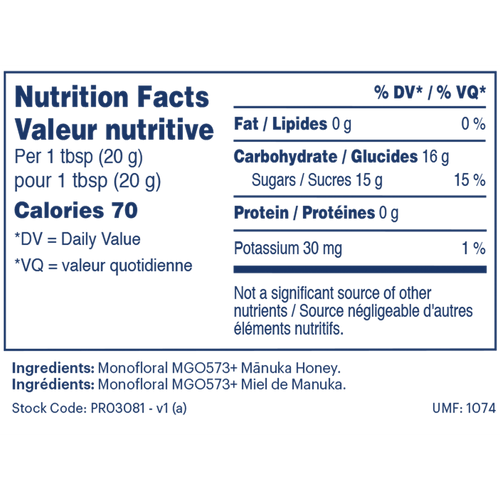
Mānuka Honey is a high potency honey for targeted care when you need it most. Sustainably sourced from our beehives in remote parts of New Zealand. The purity, potency and exceptional natural properties have been carefully protected from hive to jar.
Product Benefits
Product Features
Product Benefits
Product Features


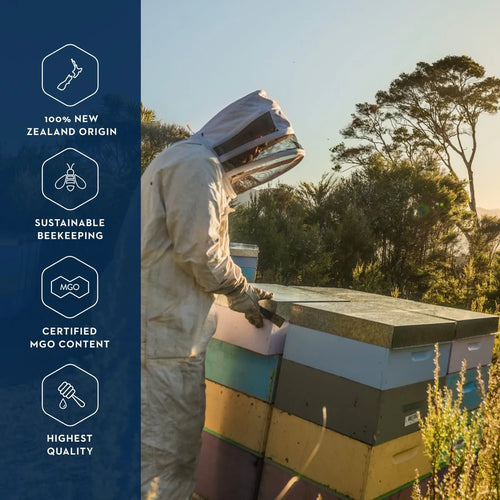
ORIGINAL MĀNUKA HONEY
A rare and treasured gift from mother nature. Created by the honeybee and the mānuka tree to enhance daily wellbeing.
- Harvested and crafted in the pristine lands of New Zealand, with 100% New Zealand Guarantee of Origin.
- Certified and scientifically proven to contain an abundance of the natural methylglyoxal (MGO) compound.
- Sustainably harvested with great care, ensuring the ultimate protection of its precious properties.
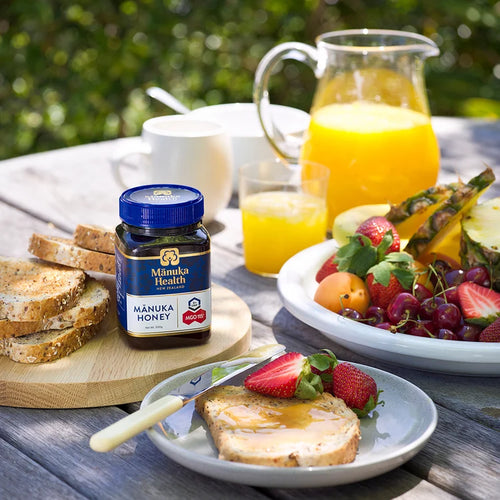
MGO EXPLAINED
Closely linked with premium mānuka honey MGO or methylglyoxal is celebrated for its distinct properties and impressive health benefits. But what exactly is MGO and why is it so significant? Let’s dive in and explore.
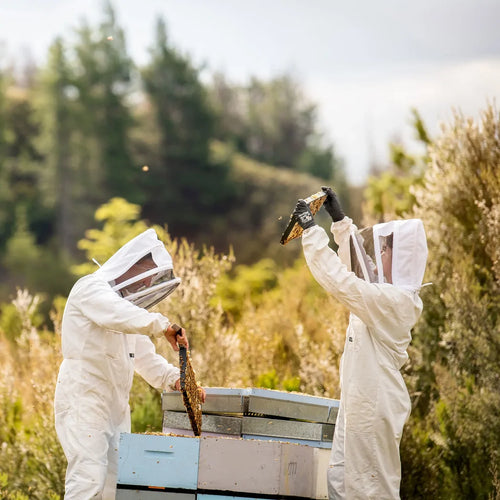
ENSURING BEE WELFARE AND SUSTAINABLE PRACTICES
We take pride in our commitment to cruelty-free beekeeping, with less than 9% of our bees dying each year. In New Zealand, the average mortality rate for commercially kept bees ranges from 10% to 30%, while in the U.S., it can be 20% to 40% due to stress from constant movement. Factors like disease, environmental stressors, pesticide exposure, and management practices also impact these rates.